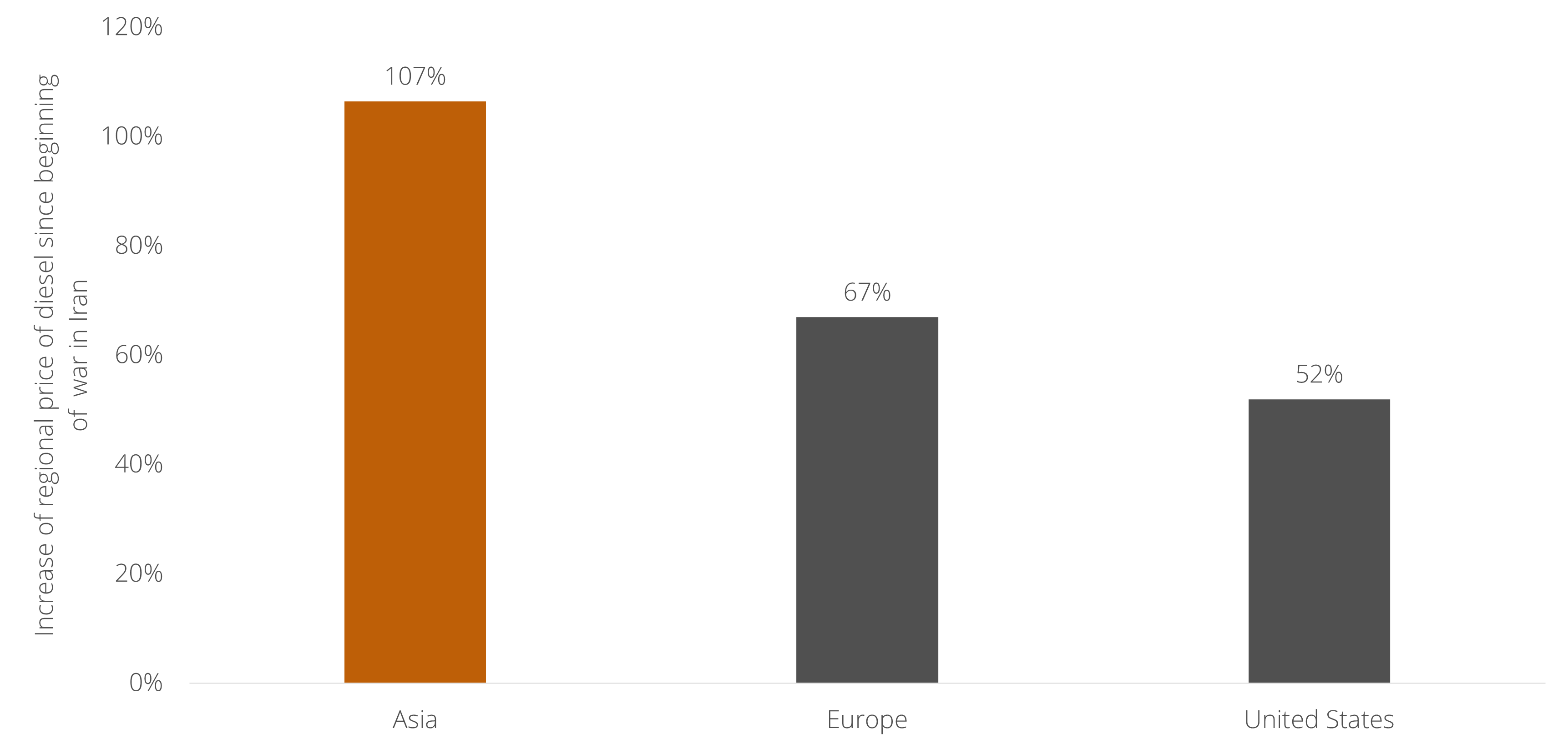
As the Hormuz crisis continues, we would be wise to remember a lesson from the COVID crisis: local shortages of specific resources can cascade into larger global problems that are difficult to predict. Global attention is currently focused on energy (rising oil and gas prices), food (higher fertilizer costs) and helium (critical for computer chip production), but a closer look reveals at least three additional supply chain disruptions that could spiral into something larger.
First, shortages of naphtha — refined from oil and used in the production of plastics, chips and cars — have triggered an industrial state of emergency across Asia. Both Japan and South Korea are attempting to calm markets, but supply chains are already being disrupted. In Japan, the prime minister intervened to quell online rumors of an imminent shortage after several plastic producers announced production cuts affecting sectors as diverse as food and healthcare. South Korea has banned naphtha exports to protect domestic medical procedures and has reluctantly begun sourcing the material from Russia.
Second, Australia — heavily dependent on diesel — faces rising prices and emerging shortages that threaten to shut down both farming and mining operations. As an emergency measure, several tankers carrying diesel have been sent from the US, a journey that takes up to three months, underscoring the severity of the situation. This matters globally: Australia is one of the world's largest producers of minerals like iron ore, lithium and nickel.
Third, Europe is on course to run out of kerosene within three weeks. While an aviation disruption may appear less urgent than food or mining, it would indirectly affect a wide range of businesses and economies through the collapse of tourism.
Each of these shortages may seem secondary to the broader disruption of energy, food and chip production. But together they threaten industries as diverse as healthcare, mining and tourism — and could push the global economy into territory that is difficult to predict.