During the last week, the European Union took significant steps on three of the most important political issues on the continent: the asylum system, the capital markets union, and China. Together, they reveal a Europe in which a renewed sense of unity is driving progress in some areas, while deep divisions persist in others - and both forces are equally likely to shape Europe’s future.
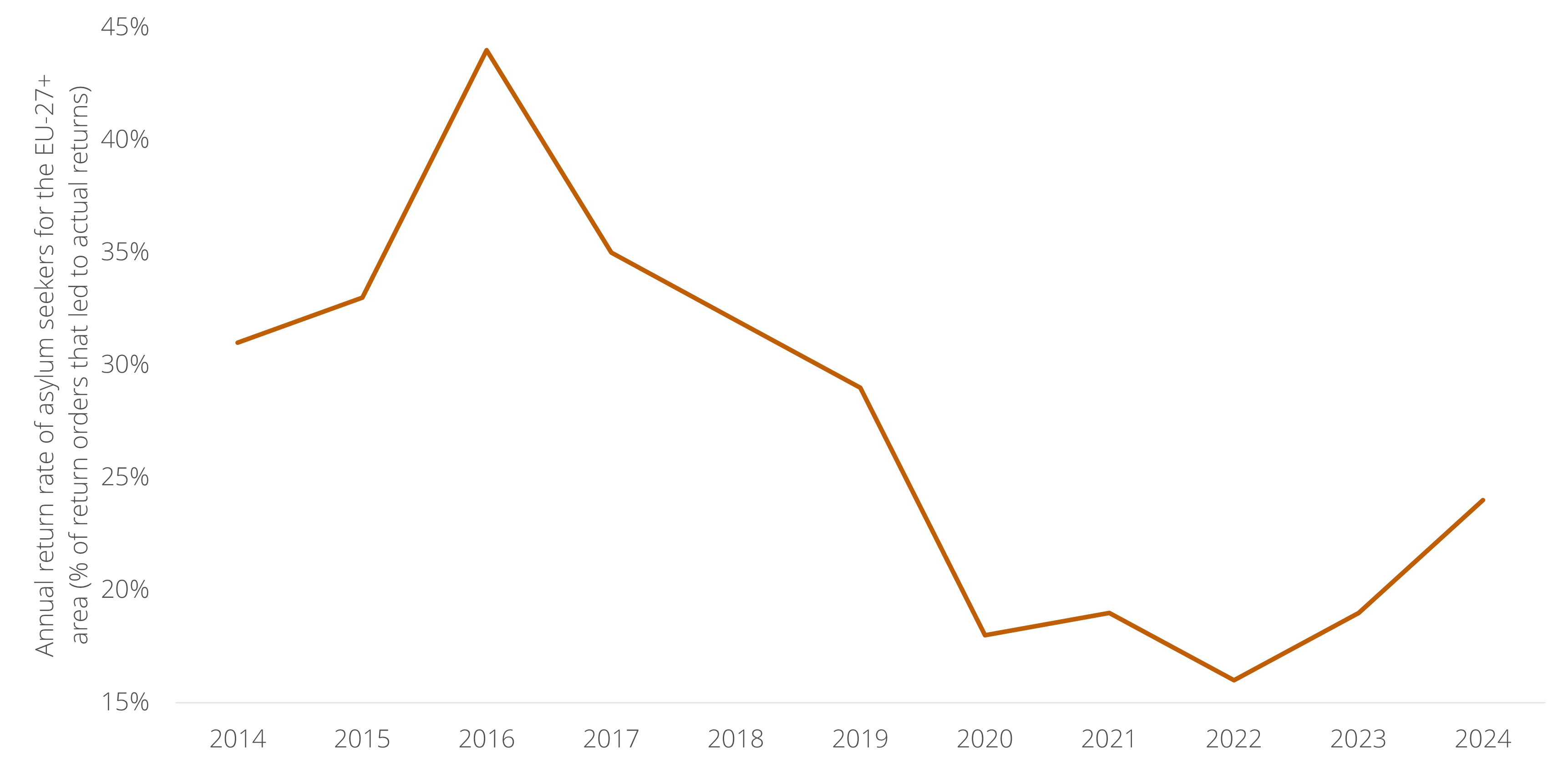
Asylum. The EU is moving forward with legislation to establish return hubs in non-EU countries for asylum seekers who have been denied entry and must be returned to their country of origin. Currently, more than 70% of those ordered to leave never actually do so. This could become the most significant asylum legislation in decades and reflects a new degree of political unity on the topic.
Capital markets union. The six largest EU economies have agreed on first principles for a capital markets union that would gradually replace national investment regimes with a single European framework. The plan is widely seen as capable of significantly improving conditions for doing business across Europe and attracting greater flows of global capital. The countries involved are pressing for urgency and want an actionable plan by the end of the year.
China. As a new trade conflict between the EU and China shows signs of escalating, Spain - known for its China-friendly approach, including welcoming Chinese investment in solar, batteries and electric vehicles - pulled back from a French-led initiative to develop European tools to restrict Chinese imports. Spain's minister for economy and trade stated that Europe should focus on engaging with Chinese authorities and remain open to Chinese investment, rather than pursuing legislation that further damages the trade relationship.