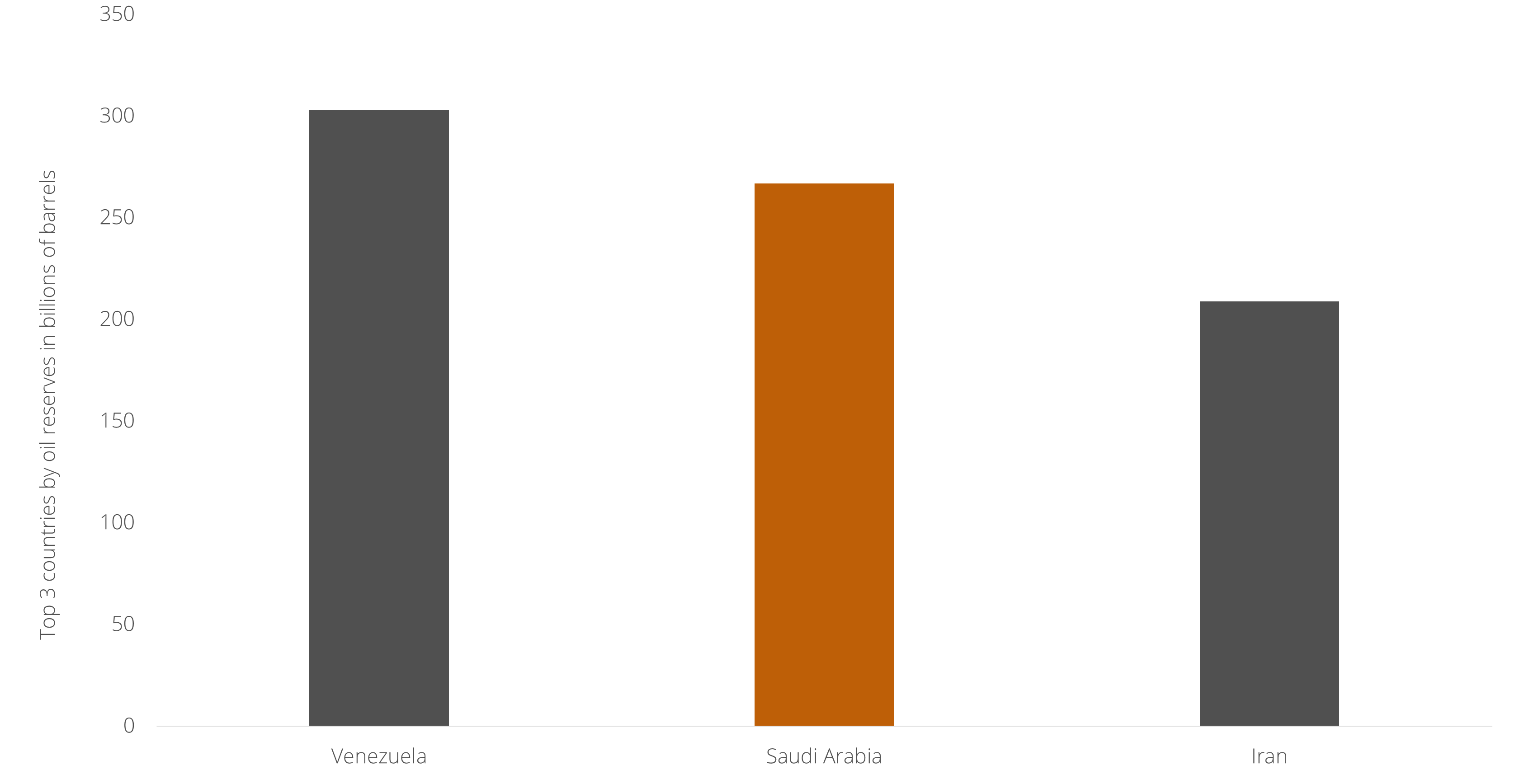
At the start of 2026, just as the United States’ confrontation with other countries threatens global stability, its withdrawal from other regions is also fueling conflict, particularly in the Middle East. The region’s dynamics have shifted fundamentally in the past few years: as the United States retreats, the most powerful country in the region, Iran, has been weakened by its war with Israel following the Hamas attack of October 7, 2023. The result is an open contest for control of the region among five countries: Israel, Turkey, Saudi Arabia, the United Arab Emirates, and Qatar. In April 2025, Israel bombed designated sites for three Turkish military bases in Syria, while Saudi Arabia and the United Arab Emirates - until recently longstanding allies - have engaged in proxy conflicts in Yemen, Sudan, Libya, and Somaliland. Looking ahead, it is Saudi Arabia that appears most at risk of triggering a destabilizing scenario, as its future is increasingly threatened by shifting dynamics in the global oil market on which it so heavily depends, driven by rising US production and the prospect of Venezuela, and possibly Iran, regaining access to global oil markets.