Most people expect the war in Iran to end within days or weeks - much like the predictions surrounding Ukraine in February 2022. But a weak regime does not guarantee a short war. It merely means a more unpredictable outcome.
As we wrote in January, the weakening of the Iranian regime has opened a contest for control of the region. Israel, Turkey, Saudi Arabia, the United Arab Emirates, and Qatar are all vying for influence - and none of them want the same outcome in this war. Israel and Turkey were already at odds: former Prime Minister Naftali Bennett publicly framed Turkey as a threat on par with Iran. Now Israel is at odds with the Gulf states, whose entire economic model depends on the war ending immediately.
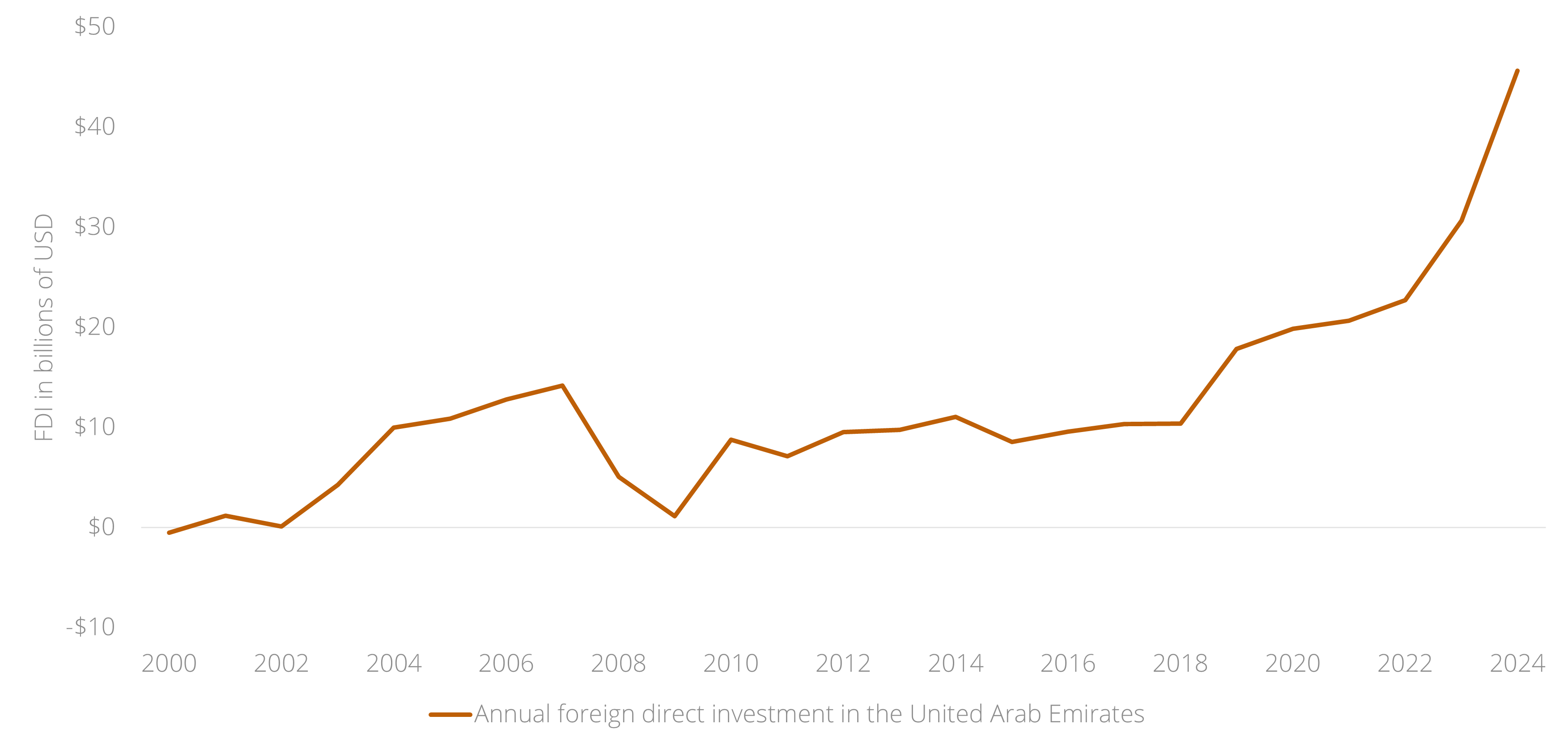
For decades, the Gulf states built their global standing on a single promise: whatever happens in the Middle East, the Gulf remains stable. That promise has now been broken. Missiles have struck Dubai's airport and hotels and killed civilians in Abu Dhabi. Thousands of travelers are stranded across the region - unable to fly home or forced to pay a massive premium to flee via Riyadh. Within days, the Gulf's reputation as a safe haven is already in serious doubt.