A significant signal of financial stress in the Gulf has emerged: according to the Wall Street Journal, the governor of the UAE's central bank has opened talks with the United States about a currency swap arrangement. The stability of the UAE's currency, the dirham, depends on its peg to the US dollar, which is maintained through large dollar reserves accumulated via the UAE's trade and financial networks. Those reserves are now under pressure from two directions: maritime trade disruption and capital flight – particularly in real estate, where luxury property discounts of over 50% are being reported. Together, these forces threaten a structural decline in dollar income. This is the mechanism that triggered the 1997 Asian financial crisis: when dollar reserves backing a pegged currency erode faster than they can be replenished, a currency crisis becomes self-fulfilling.
The Gulf states are therefore in urgent need of regional stability – but looking at both the US and Iran, that appears unlikely. The US is caught between three bad options: tacitly admitting defeat and watching the Iranian regime it tried to destroy consolidate into a regional power with global influence through its control of the Strait of Hormuz; muddling through while the global economy absorbs severe shocks across multiple supply chains; or risking the consequences of further military escalation. Meanwhile, according to reporting by The New Yorker, those who now govern Iran are considerably more hardline than is widely assumed – and less inclined than their predecessors to accept a diplomatic settlement favorable to the US and Israel.
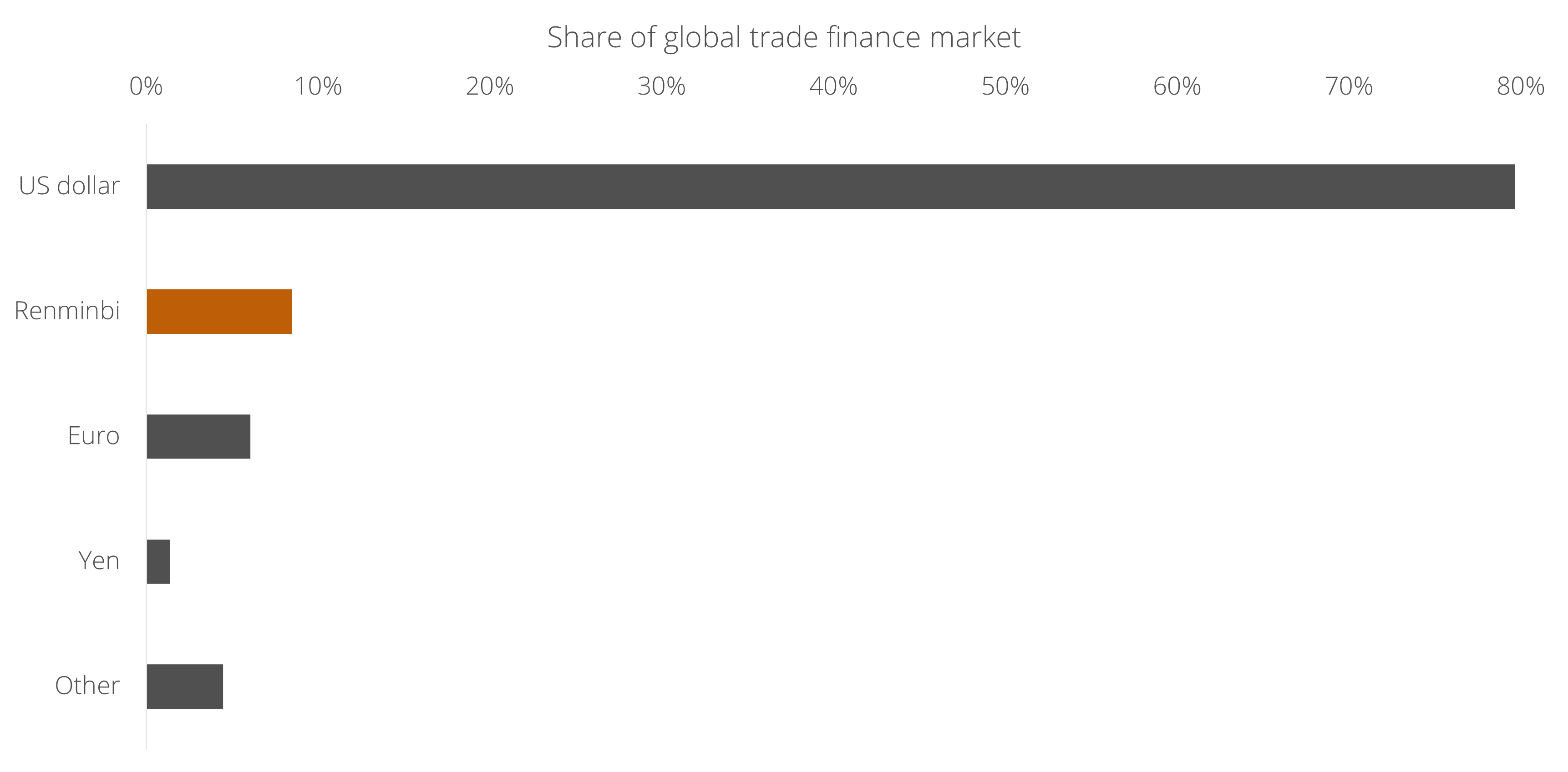
All of this carries a long-term risk for the US in its rivalry with China. In their talks with Washington, UAE officials explicitly warned that the Chinese renminbi is a serious alternative to the US dollar. This warning is credible because the Gulf states have already been building the infrastructure for such a shift. The mBridge project – a digital currency platform backed by the central banks of China, Saudi Arabia and the UAE – processed $56 billion in transactions in 2025, a 2,500-fold increase from 2022. Although mBridge operates at the level of financial transactions rather than central bank reserve holdings, this is how the dollar's network effects would weaken first in a long-term shift.